
Sonora and the Gold Rush: history down the hill from the cabin
Half an hour below Hummingbird Lodge, the town of Sonora keeps the California Gold Rush close to the surface. Brick storefronts from the 1850s still line Washington Street, and the hills around town are stitched with old claims. This is a short history of how the gold made the town, and where you can still stand in it today.
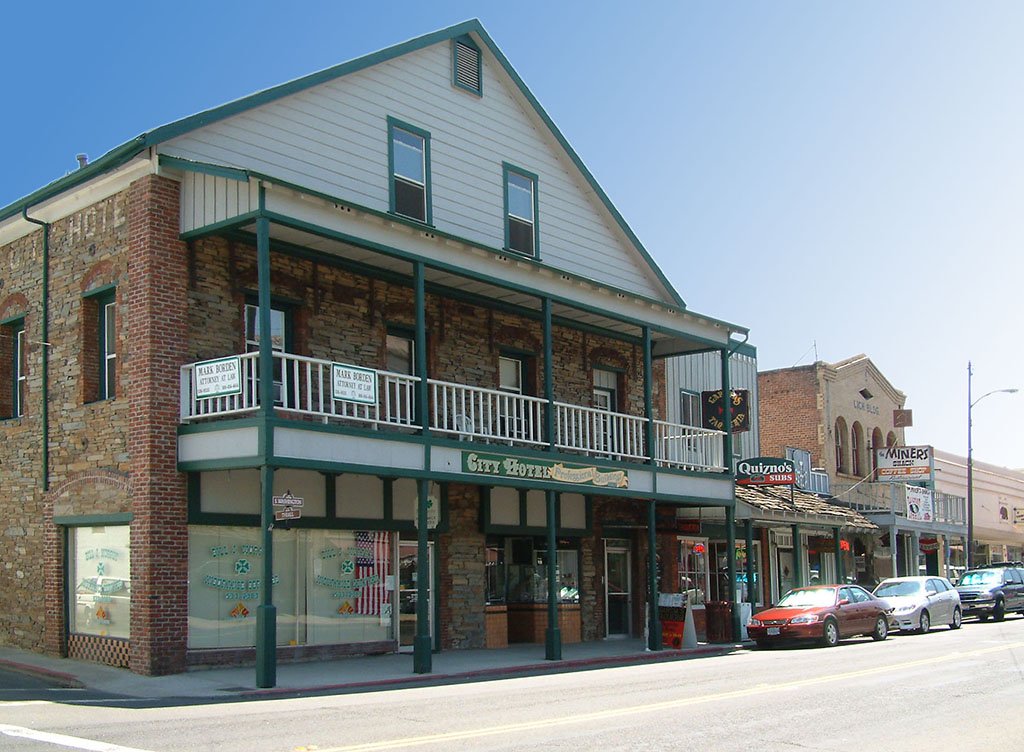

A town named for the miners who found it
Sonora was founded in 1848, the year gold turned California upside down. The first arrivals were experienced miners from the Mexican state of Sonora, and the camp took their home’s name. They knew how to work the dry southern diggings, and word of their success pulled thousands more into the hills of what is now Tuolumne County. Within two years a tent camp had become one of the largest towns in the mining country.
The Queen of the Southern Mines
Sonora sat at the heart of the Mother Lode, the belt of gold-bearing rock that runs along the Sierra foothills. The town earned the title “Queen of the Southern Mines” for its size and its wealth. Fortunes came out of the ground here, including a single mass of nearly pure gold pulled from a nearby claim that became famous across the state. Money that easy also drew saloons, gambling halls, and the crime and conflict that followed a boom.
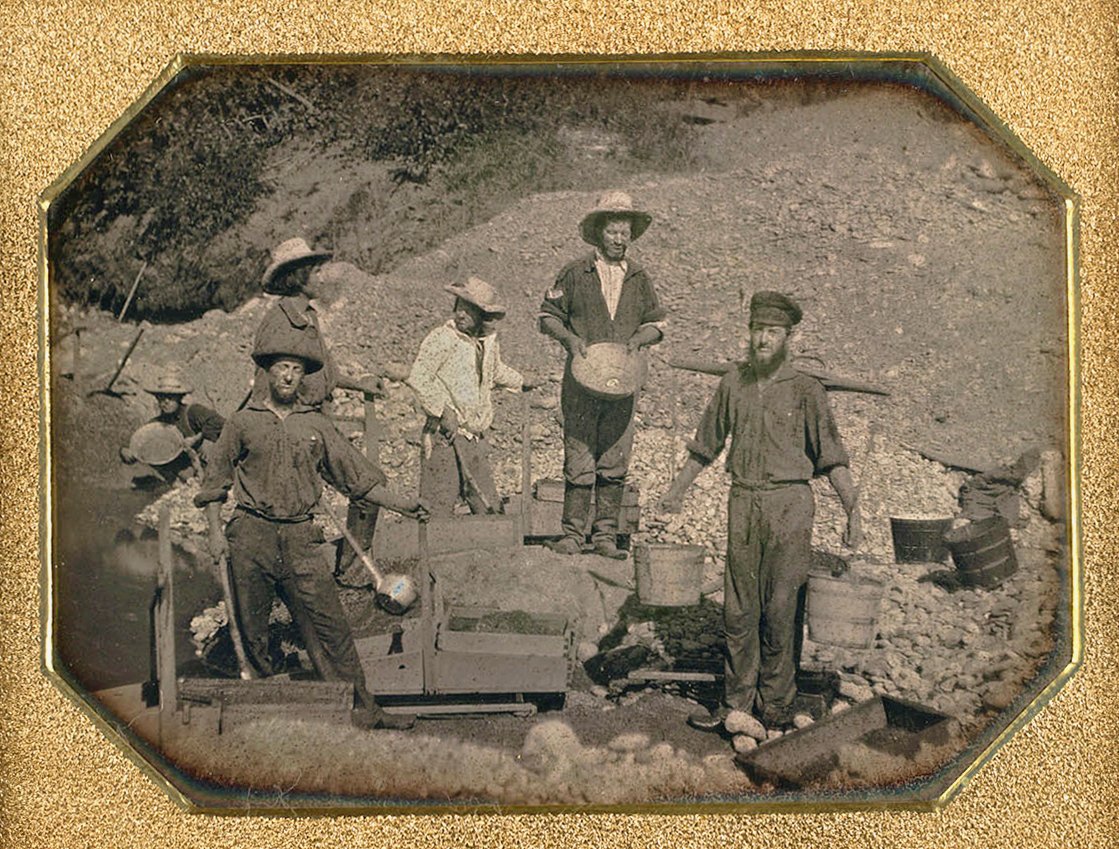

Boom, bust, and what stayed
The easy surface gold ran out within a decade, as it did across the foothills. Many camps emptied and vanished. Sonora did not, because it had become the county seat and a real town with courts, churches, and trade. The brick buildings that replaced the early tents and clapboard still stand, which is why a walk down Washington Street feels like stepping into the 1850s rather than reading about them.
Standing in it today
The best way to feel the era is a short drive from the cabin. Columbia State Historic Park, four miles north of Sonora, preserves a whole Gold Rush town: a main street of period shops, a working stagecoach, and gold panning in the same gravels the miners worked. It is the most complete Gold Rush streetscape left in California.
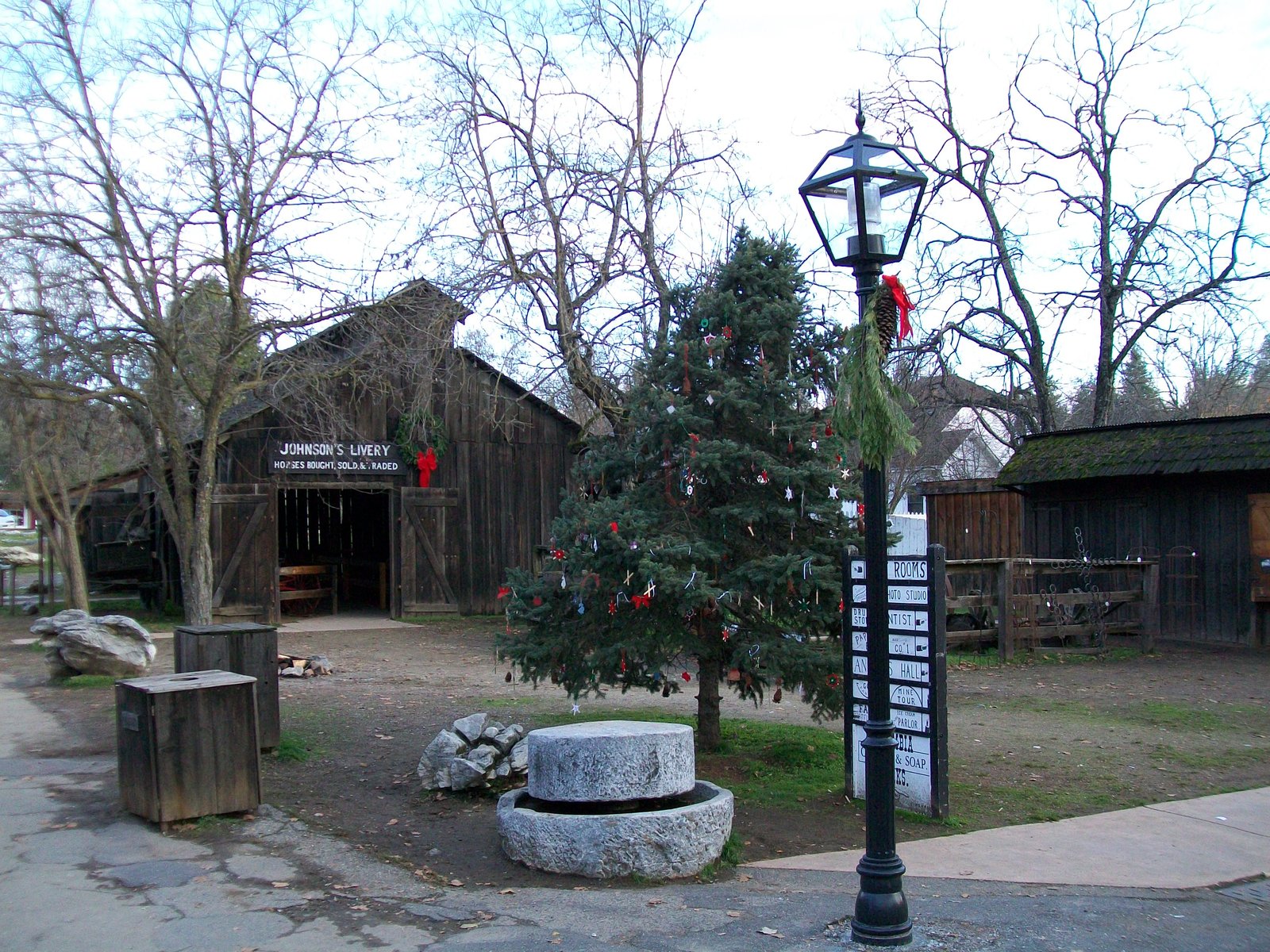

Back in Sonora, the county museum sits in the old jail, and the red St. James Episcopal Church on the hill has watched the town since 1860. Between the two you can trace the whole arc, from the first strike to the town it left behind.
Make a weekend of it
Hummingbird Lodge in Twain Harte puts all of this within an easy drive: Sonora and Columbia down the hill, and the pines and the hot tub waiting when you come back up. Book the cabin directly with us and give the family a history trip that ends at a pool table.