
A Short History of Rovaniemi: From River Market to Arctic Capital
Rovaniemi, the capital of the Finland’s province of Lapland, wears its history lightly, but the modern town on the Arctic Circle is the product of centuries of river trade, a wartime catastrophe, and one of the boldest reconstruction plans in Nordic architecture. Knowing that story makes a winter visit richer, so here is the short version.

A market at the meeting of two rivers
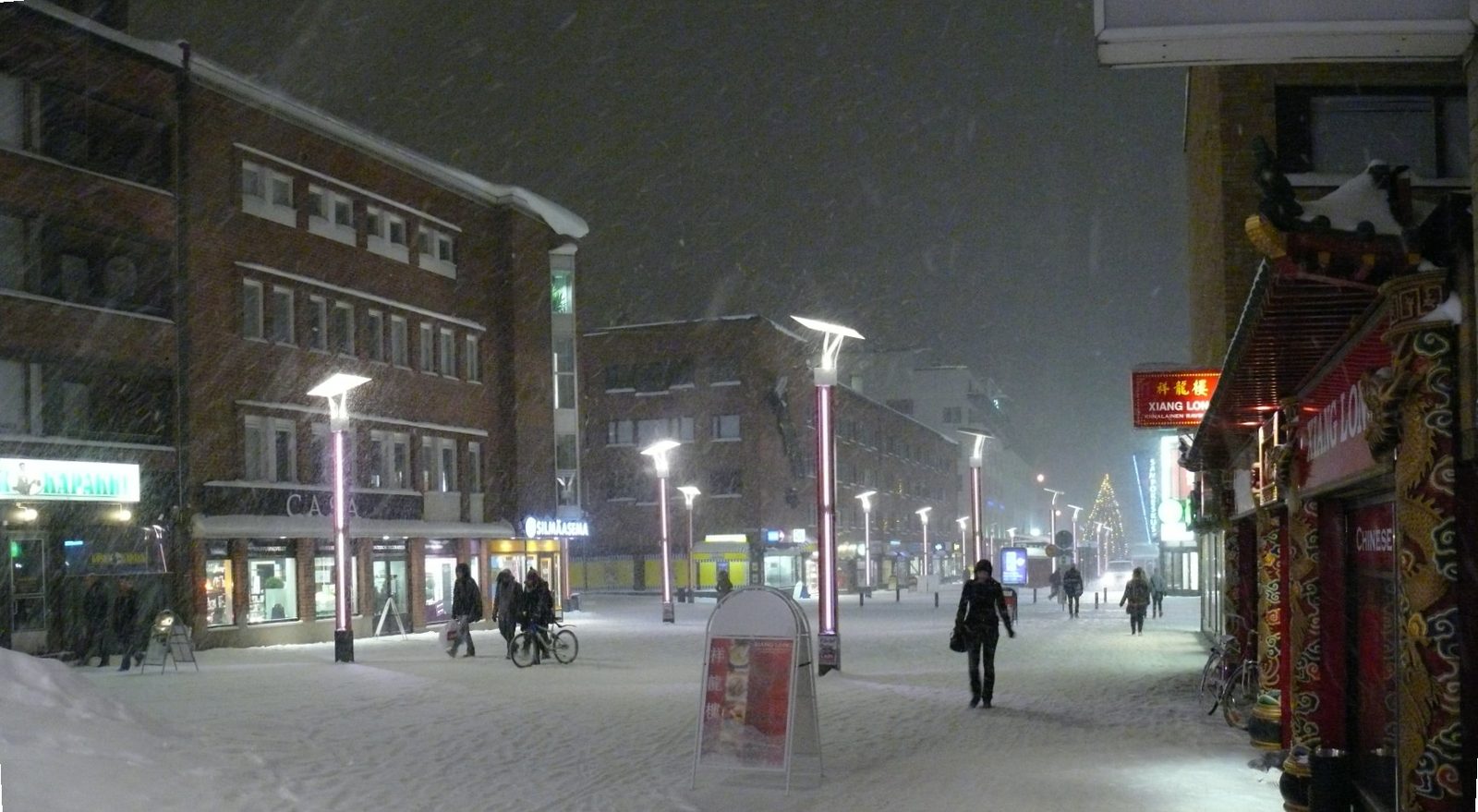
Rovaniemi grew where the Kemijoki and the Ounasjoki rivers meet. For centuries the rivers were the roads: they carried the log drives, the fur trade, and the people who settled the surrounding fells. A parish was established here in the seventeenth century, and by the nineteenth the village had become the natural marketplace for a vast, thinly populated stretch of Lapland. When the railway reached the town in 1909 it fixed Rovaniemi’s role as the gateway to the north, the last sizeable settlement before the Arctic interior.
Burned to the ground in 1944
The turning point came at the end of the Second World War. During the Lapland War, as German forces withdrew from northern Finland in the autumn of 1944, they destroyed almost everything behind them. Rovaniemi was left in ruins, with roughly ninety percent of its buildings burned and the population evacuated. The town that visitors see today is, in the most literal sense, built on the ashes of the old one.

The reindeer-antler plan
Reconstruction gave Rovaniemi an unusual second act. The Finnish architect Alvar Aalto was commissioned to lay out the rebuilt town, and the plan he drew in 1945 traced the streets and roads into the shape of a reindeer head and antlers, with the sports stadium set where the eye would be. The “reindeer-antler plan” (poronsarvikaava) is best appreciated from a map, but it shaped the town you walk through, and Aalto returned over the following decades to design the civic heart of the city: the library, the Lappia House concert and theatre building, and the town hall around Hallituskatu.
From administrative town to Arctic capital
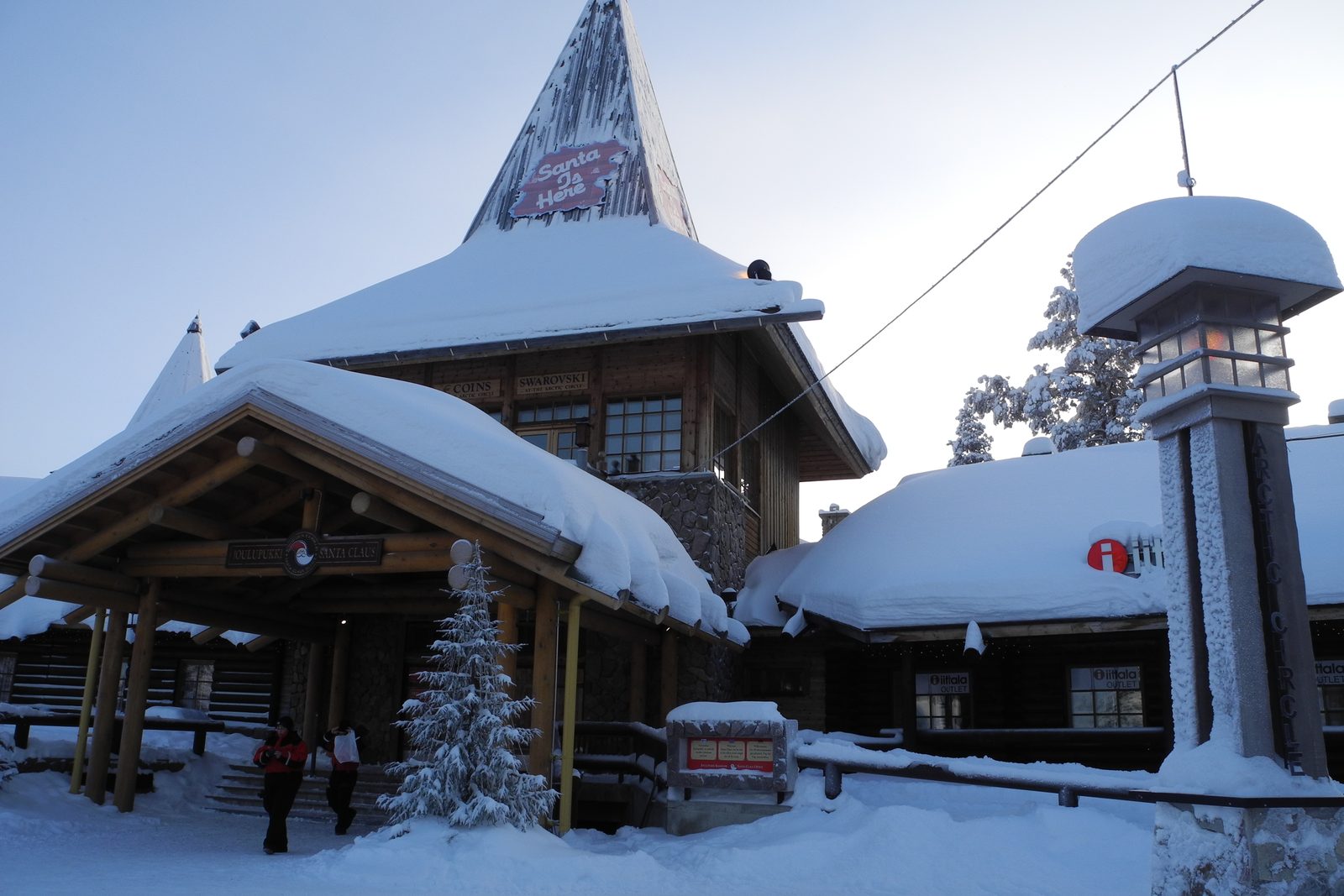
Post-war Rovaniemi became the administrative and commercial capital of Finnish Lapland, and then something more. A 1950 visit by Eleanor Roosevelt drew attention to the Arctic Circle just north of town, and a modest cabin built for the occasion seeded what is now a year-round tourism industry. Today the crossing of the Arctic Circle at Santa Claus Village, the aurora season that runs from late August into April, and the museums that document Lapland’s past all sit within easy reach of the centre.

Seeing the history for yourself
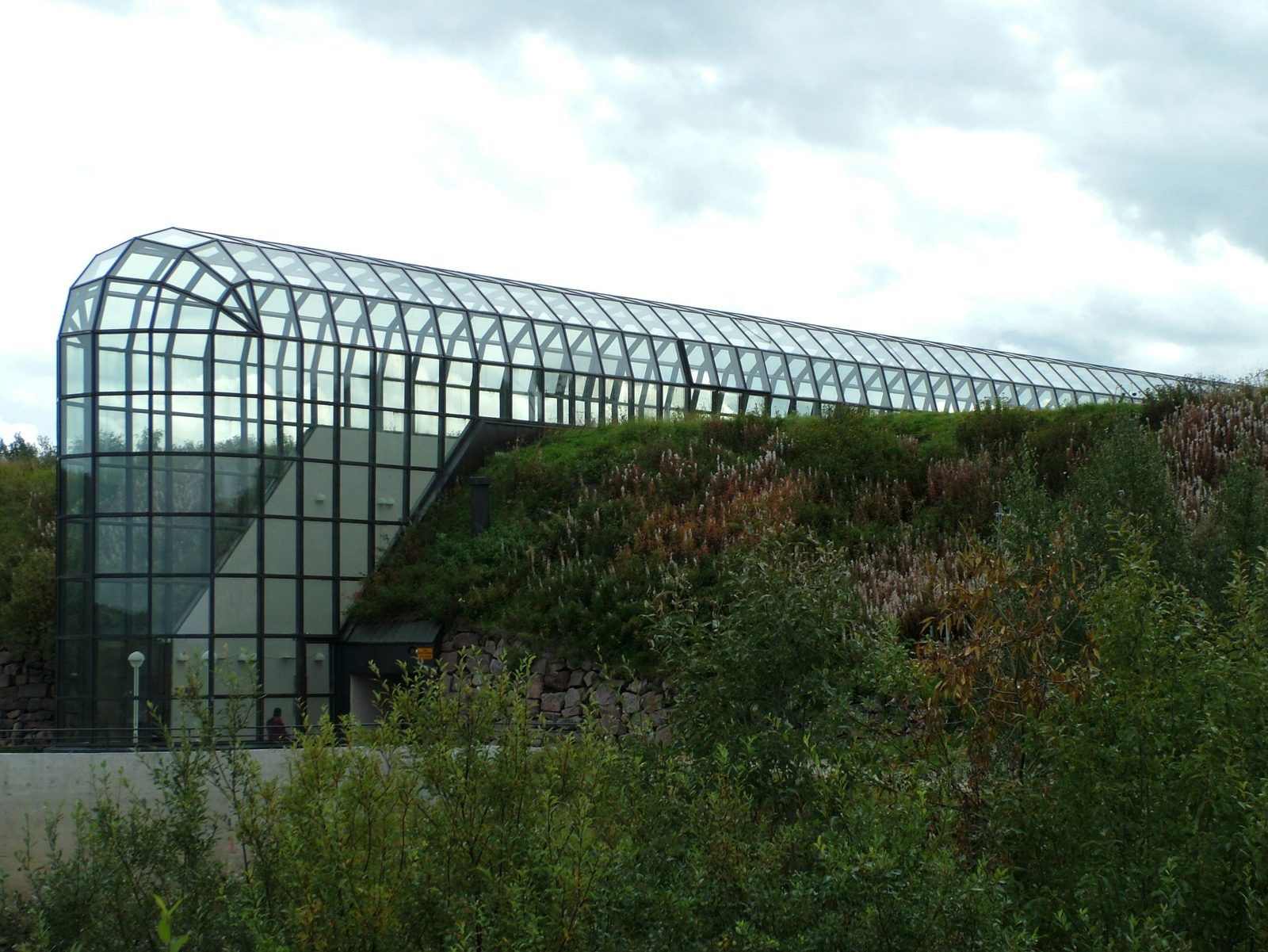
The best single stop for the whole story is the Arktikum, where the Regional Museum of Lapland covers the river-trade years, the destruction of 1944, and the rebuilding that followed. From there the Aalto civic centre is a short walk, and the Arctic Circle a short trip north. Give yourself an afternoon indoors between the darker winter outings, and the town around you starts to make a great deal more sense.
Base yourself close to the centre and you can fit the museums, the market streets, and the Arctic Circle into a single trip. Browse our Rovaniemi homes and book directly with us.